Cancelled Prince of Persia: The Sands of Time Remake Claimed to Have Been ‘Close to the Finish Line’
Imagine you’ve been waiting for ages for your favorite old movie to be remade with stunning new special effects, or for that amazing classic book to get a fresh, beautiful cover and new illustrations. You hear whispers, then solid news, that it’s happening! People are working hard, pouring their hearts into it. Then, just as you think it’s almost ready to hit the screens or bookshelves, someone tells you, “Nope, it’s not coming out. Ever.” That’s the heavy feeling many fans of Prince of Persia: The Sands of Time are grappling with right now, as news trickles down that its much-anticipated remake, a project many believed was “close to the finish line,” has been quietly put to rest. It’s a bit like seeing a delicious cake almost ready to come out of the oven, only for someone to decide it’s not quite right and toss it out.
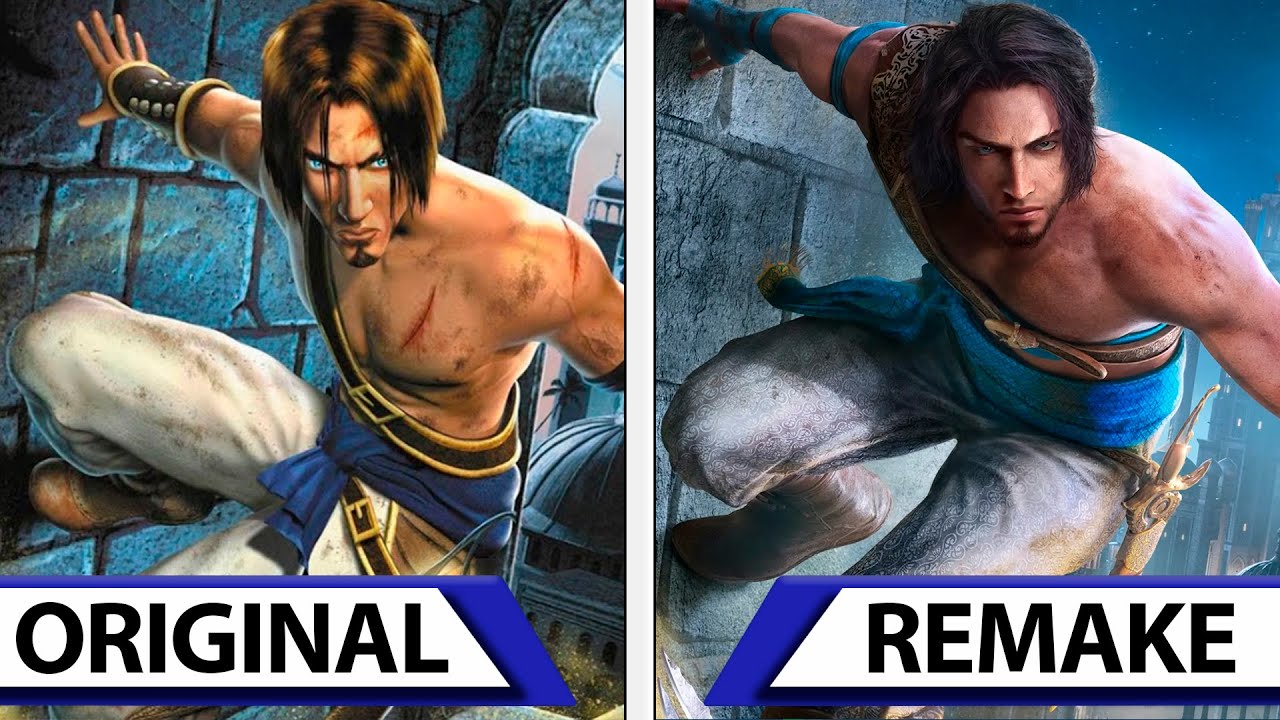
Here’s the thing about our favorite stories, especially in video games: they hold a special place in our hearts. Prince of Persia: The Sands of Time, first released way back in 2003, wasn’t just another game; it was a magical journey. We stepped into the shoes of a young Prince, armed with a mystical dagger that could turn back time, learning about destiny, love, and sacrifice alongside the cunning Farah. The game was famous for its fluid movement, exciting puzzles, and a story that felt like it came straight out of a grand Arabian Nights tale. For years, fans wished for a modern version, something that could update the graphics and controls for today’s world, letting a new generation experience that magic and letting older fans relive it with fresh eyes. This desire for remakes isn’t just about making old things shiny; it’s about preserving a legacy and introducing timeless adventures to a new audience, ensuring these stories don’t fade away.
So, when the remake was announced, there was a collective cheer. But the journey was bumpy, to say the least. Development started at Ubisoft Pune and Mumbai in India, which was a big deal – a chance for those studios to lead a major project. Then, after some delays and concerns about the initial look of the game (which fans felt wasn’t quite hitting the mark), the project was moved to the more experienced hands of Ubisoft Montreal, the original creators of the game. This shift, while seemingly a good move to get things back on track, often signals deep-seated challenges. Think about it like this: if you start building a treehouse with your friends, and then halfway through, your parents step in to take over because it’s not quite sturdy enough, it shows that the first attempt, despite good intentions, hit some snags. It suggests that even with fresh eyes and more experience, bringing the vision to life was proving trickier than anyone anticipated.
Now, the claim is that this remake was “close to the finish line.” What does that even mean in the complex world of game development? It’s not like baking a cake where “close to the finish line” means it’s just cooling on the counter. In games, “close” can still mean months, or even a year, of intense work. It means the core game might be playable from start to finish (what we call “Alpha” stage), and many of the features are in place. But then comes the grueling “Beta” stage, where bugs are squashed like pesky flies, performance is smoothed out, and every tiny detail is polished until it gleams. It’s about making sure the Prince’s jumps feel just right, that the enemies react convincingly, and that the story flows without a hitch. This final polishing phase, often called “crunch,” is where developers work incredibly long hours, meticulously refining everything. To cancel a project at this point means an immense amount of time, money, and creative energy has already been poured into it, often millions of dollars, only to be deemed not good enough to see the light of day.
You might be wondering, why would a company cancel something so far along? The reality is, game development is a high-stakes gamble. Sometimes, even with the best intentions and talent, a project might simply not meet the company’s quality standards or its financial goals. Maybe the new graphics, despite being updated, just didn’t capture the magic of the original in a way that felt authentic. Perhaps the updated controls didn’t feel as groundbreaking as they needed to be. Or maybe, despite all the effort, the team ran into technical hurdles that seemed too costly or time-consuming to fix. Creative differences among the leadership, changes in what the company believes players want, or even a shift in the overall strategy can all lead to such a heartbreaking decision. It’s like building a magnificent sandcastle for hours, perfectly sculpting every turret and wall, only to have the tide come in and whisper that it’s just not quite strong enough to withstand the waves.
The implications of this cancellation ripple outwards. For the dedicated fans, it’s a heavy blow, a dashed hope for reliving a cherished memory in a new form. We all know that sting of disappointment when something we’ve eagerly awaited falls through. For the developers who poured their passion, late nights, and creative spirits into the project, it’s a difficult experience, seeing their hard work shelved. Think about a school project you worked on for weeks, only for it to be cancelled right before presentation day. It hurts. For Ubisoft, the company behind the game, it means a significant financial loss and a potential hit to their reputation, especially given the already troubled development cycle. It raises questions about their planning and execution for remakes of other beloved titles. What does this mean for the future of bringing back other classics? Will they be more hesitant?
This brings us to a crucial point: the future of the Prince of Persia legacy. Even as one door closes, another often opens, sometimes in unexpected ways. While the Sands of Time remake might be gone, we do have *The Rogue Prince of Persia*, a completely different take on the series. This new game, developed by Evil Empire, creators of the fantastic Dead Cells, is a “roguelite” game – meaning you play through levels, get stronger, and if you die, you start over, but with some progress saved. It’s a fresh, vibrant, and fast-paced adventure that respects the series’ core parkour roots but reimagines the gameplay entirely. It’s like the difference between wanting a faithful remake of an old movie and getting a brand-new story set in the same universe, with the same beloved characters but a whole new adventure. It shows that the spirit of the Prince is still very much alive, even if the path to a modern Sands of Time remake proved too difficult to navigate.
Ultimately, the story of the cancelled Prince of Persia: The Sands of Time remake is a stark reminder of the incredibly complex, often unpredictable nature of creating video games. It’s a world filled with immense creativity, technical challenges, and tough business decisions. While it’s certainly sad news for those who hoped to revisit that iconic adventure, it also prompts us to cherish the original games that brought us so much joy. And it reminds us that even when one grand vision doesn’t quite make it across the finish line, the world of games is always moving forward, always evolving, and always finding new ways to tell stories. Maybe, just maybe, the Prince will find his way back to us in another form, another time, ready for a brand-new adventure. At least we’ll always have *The Rogue Prince of Persia* to keep the legacy leaping and wall-running.