You might be wondering, why this sudden surge of interest in virtual law enforcement? The reality is, for many, it taps into something fundamental. Imagine a world where you can experience the structure, the camaraderie, and the sense of purpose that comes with a demanding job, but without any of the actual danger or real-world consequences. It’s a playground for responsibility, a chance to be the hero, or at least the diligent beat cop, in a city known for its utter lack of heroes. It offers a unique blend of creative freedom and strict guidelines, a perfect recipe for engaging gameplay.
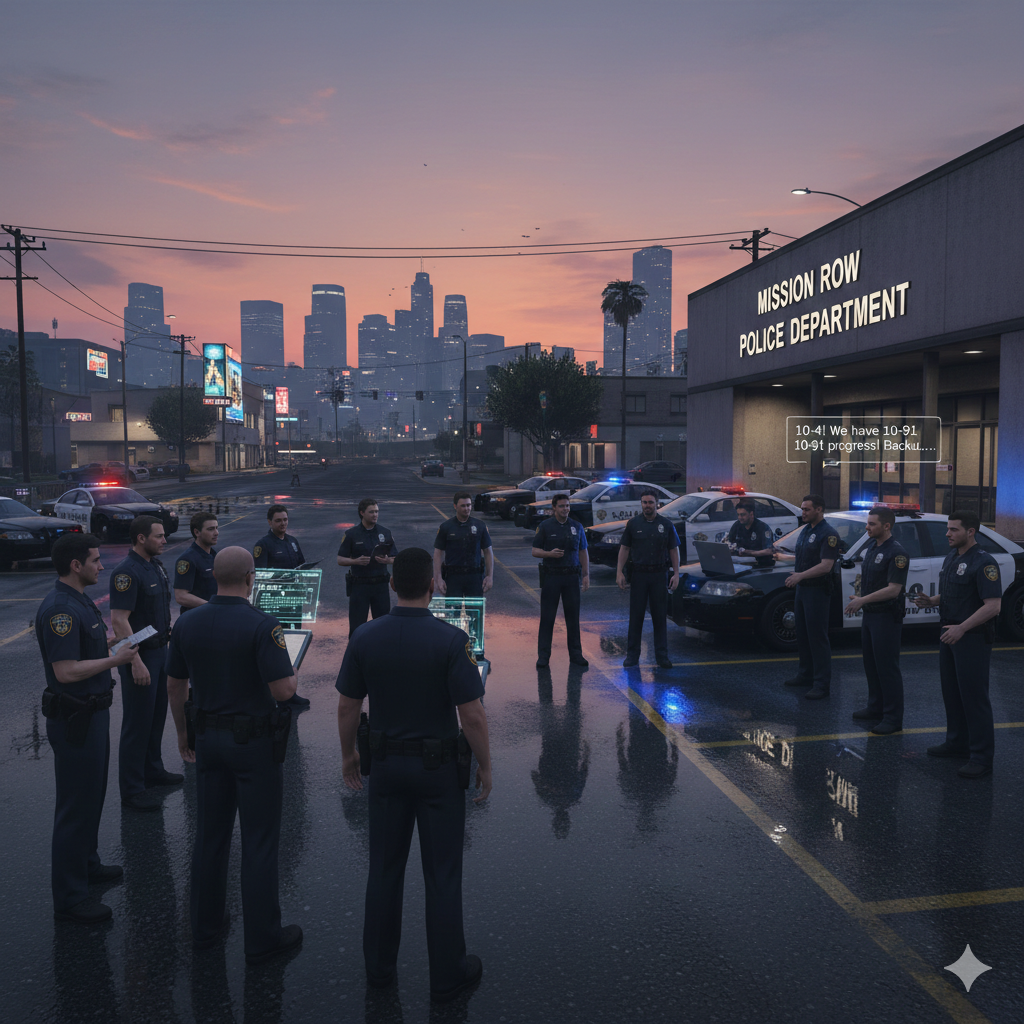
Let’s break this down: becoming an LSPD officer in GTA roleplay isn’t as simple as just logging on and grabbing a uniform. Oh no, this is serious business. Many servers have elaborate application processes that rival real-world job interviews. Players might need to write essays, undergo voice interviews, and even go through “academy” training where they learn server-specific laws, police procedures, and, of course, the ever-important radio codes. These aren’t just random letters and numbers; they’re the language of the force, and knowing them shows you’re a serious contender.
Think about it like joining a highly organized club, but where the club’s purpose is to maintain order in a chaotic digital city. The “paperwork” often involves using custom forms within the game’s framework or even external documents to log arrests, citations, and incident details. It’s all part of building a believable, immersive world. And those codes? They’re not always standard police codes. Sometimes they’re server-specific, sometimes they’re pulled from real-world police radio lingo, leading to moments where a player might be shouting “10-4! We have a 10-91 in progress!” into their headset, having just looked up “police radio codes” five minutes prior. It’s a charmingly earnest effort to create authenticity.
Out of Action” wala blog likha hai? Uska link yahan dein: “While Out of Action offers high-octane cyborg combat, GTA RP focuses on a completely different kind of intensity—bureaucratic realism
So, what’s the big deal? Beyond the immediate fun, this phenomenon tells us something interesting about human nature and our desire for connection and purpose. These players are not just pressing buttons; they’re investing time, energy, and creativity into building a shared narrative. They’re developing communication skills, problem-solving abilities, and learning to work as part of a team. For some, it might even offer a safe space to explore leadership roles or to simply contribute to something larger than themselves, all within the safety of a virtual environment. It’s a powerful form of social engagement, building friendships and communities around shared, fictional goals.
Here’s the interesting part: this dedication isn’t just a fleeting trend. It speaks to the future of how we interact with games. We’re moving beyond simple competition or linear stories into rich, emergent narratives driven by player interaction. The lines between “playing a game” and “living a digital life” are blurring in fascinating ways. What if these skills – the ability to follow complex procedures, to communicate clearly under pressure, to improvise in unexpected situations – actually translate into real-world benefits? It’s a compelling thought, especially for younger players who are learning about responsibility and teamwork in a format they genuinely enjoy.
Ultimately, the influx of players into the LSPD in GTA roleplay is more than just a quirky online trend. It’s a testament to the power of imagination, community, and the human desire for structure and purpose, even when the “crimes” are just pixels on a screen. It shows how deeply we can invest ourselves in a story, how much we crave belonging, and how much fun we can have by simply playing pretend with a whole lot of heart and a little bit of Google.